Arjo Support Surface Selection Guide
Get personalised product recommendations tailored to your patient’s care-related needs. Provide the details, and we’ll guide you to the best options.
Step 1
First, select the type of full body support surface solution you need.
Step 2
Following the patient or clients risk assessment:
Step 3
Is a foam support surface or an adaptable (also referred to as hybrid) product required?
Step 3
Would the individual tolerate lying on an active or alternating pressure (cells moving) support surface?
STEP 4
Is there a need for a fully automatic active pressure redistribution support surface?
STEP 5
Targeted off-loading capability to vent the air from individual cells
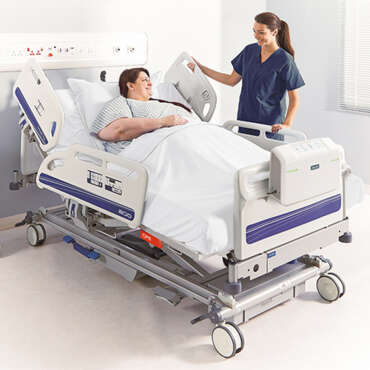
Auralis Plus

AtmosAir Velaris Plus Flex

MaxxAir ETS

_Product_Node_Hero_Image.jpg)
RIK Fluid Overlay
%20830x470_Product_Node_Hero_Image.jpg)
AtmosAir Velaris

AtmosAir Velaris
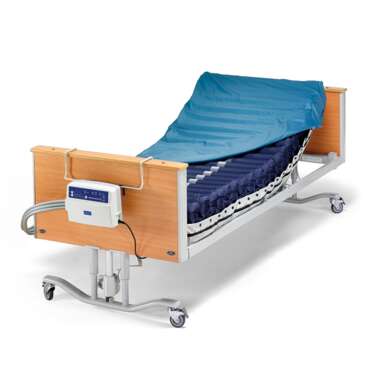
Alpha Active 4

Alpha Active 3

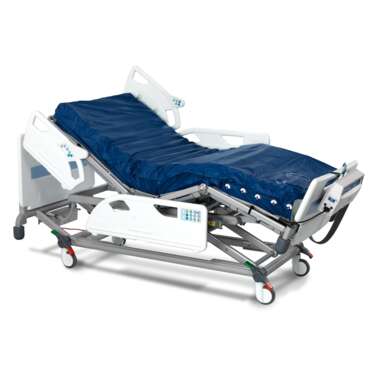
Nimbus 4
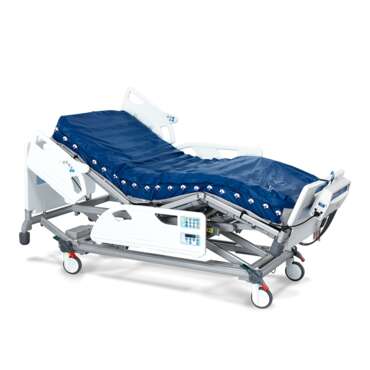
Nimbus Professional
_Product_Node_Hero_Image.jpg)
Auralis
Identifying a full body support surface as part of the individuals pressure injury prevention plan of care.
This step-by-step guide is designed to help you select an appropriate support surface for each individual patient.
By responding to a series of clinical and care-related questions, you'll receive tailored product recommendations that align with the patient's specific needs.
Whether you're making routine or complex decisions, the guide streamlines the process by narrowing down suitable options based on the patient's condition and care priorities.
Initial consideration to identify the right support surface
The international guidelines good practice statement SS2 suggests it is good practice to use a full body support surface that appropriately accommodates the weight and body mass distribution of the individual¹.
Support surfaces that accommodate plus size patients should account for both their weight and body morphology, providing adequate width to facilitate repositioning and/or independent in bed mobility.
Reference:
1. National Pressure Injury Advisory Panel, European Pressure Ulcer Advisory Panel and Pan Pacific Pressure Injury Alliance. Full Body Support Surfaces for Prevention of Pressure Injuries. In: Prevention and Treatment of Pressure Ulcers/Injuries: Clinical Practice Guideline. The International Guideline: Fourth Edition. Emily Haesler (Ed.). 2025.[cited: 28/10/2025]. Available from: https://internationalguideline.com.
Repositioning for individuals at risk of Pressure Injury (PI)
Extended periods of lying or sitting on a particular part of the body without redistributing the pressure leads to deformation of tissues and, ultimately if damage thresholds are exceeded, tissue damage in the form of a PI¹.
Repositioning and mobilisation are essential preventive measures for reducing PI occurrence.
The international guidelines good practice statement R3 suggests it is good practice to use specialised equipment designed to reduce friction and shear when repositioning individuals².
Caregivers may also consider manual handling techniques and specialised equipment designed to minimise shear forces. This can include, but is not limited to, the use of low-friction fabrics, mechanical lifting devices, transfer sheets, and bed features such as turn assist - where appropriate for the individual’s needs.
Reference:
1. Gefen A, Brienza DM, Cuddigan J, Haesler E, Kottner J. Our contemporary understanding of the aetiology of pressure ulcers/pressure injuries. Int Wound J. 2022;19(3):692-704.
2. National Pressure Injury Advisory Panel, European Pressure Ulcer Advisory Panel and Pan Pacific Pressure Injury Alliance. Full Body Support Surfaces for Prevention of Pressure Injuries. In: Prevention and Treatment of Pressure Ulcers/Injuries: Clinical Practice Guideline. The International Guideline: Fourth Edition. Emily Haesler (Ed.). 2025.[cited: 28/10/2025]. Available from: https://internationalguideline.com.
Selecting a Full Body Support Surface
The International guidelines good practice statement SS1, clarifies It is good practice for organisations to maintain an inventory of, or access to, a range of full body support surfaces appropriate to the clinical context1.
This is because individuals at risk of PIs have varying clinical needs, preferences and goals of care; therefore, the entity that provide full body support surfaces should ensure there is access to different full body support surfaces with a range of performance characteristics and design features to address the various and diverse needs of individuals1.
Reference:
1. National Pressure Injury Advisory Panel, European Pressure Ulcer Advisory Paneland Pan Pacific Pressure Injury Alliance. Full Body Support Surfaces for Prevention of Pressure Injuries. In: Prevention and Treatment of Pressure Ulcers/Injuries: Clinical Practice Guideline. The International Guideline: Fourth Edition. Emily Haesler (Ed.).2025.[cited: 28/10/2025]. Available from: https://internationalguideline.com
Selecting a Full Body Support Surface
The International guidelines good practice statement SS1, clarifies it is good practice for organisations to maintain an inventory of, or access to, a range of full body support surfaces appropriate to the clinical context1.
This is because individuals at risk of PIs have varying clinical needs, preferences and goals of care; therefore, the entity that provides full body support surfaces should ensure there is access to different full body support surfaces with a range of performance characteristics and design features to address the various and diverse needs of individuals1.
Reference:
1. National Pressure Injury Advisory Panel, European Pressure Ulcer Advisory Paneland Pan Pacific Pressure Injury Alliance. Full Body Support Surfaces for Prevention of Pressure Injuries. In: Prevention and Treatment of Pressure Ulcers/Injuries: Clinical Practice Guideline. The International Guideline: Fourth Edition. Emily Haesler (Ed.).2025.[cited: 28/10/2025]. Available from: https://internationalguideline.com.
Manual vs. Automatic cell adjustment
Clinicians are responsible for correct set up of the device and this is likely to have implications for training, particularly in areas where:
- Staff turnover is high
- The environment of care is unsupervised e.g. home care
- Where patient acuity may divert attention e.g. intensive care
Manually adjusted: may be most appropriate for patients who are less vulnerable to harm should the device be set incorrectly.e.g. patients with lower risk factors, who can make some independent position changes.
Automatic adjusted: reduce the risk of incorrect settings or missed adjustments following changes in patient positioning. They are designed to adapt in real-time, optimising internal cell pressures to maintain high levels of comfort and effective pressure redistribution regardless of weight or patient positioning. They may be considered most suitable for vulnerable patients.
Complexity of turning and repositioning the individual
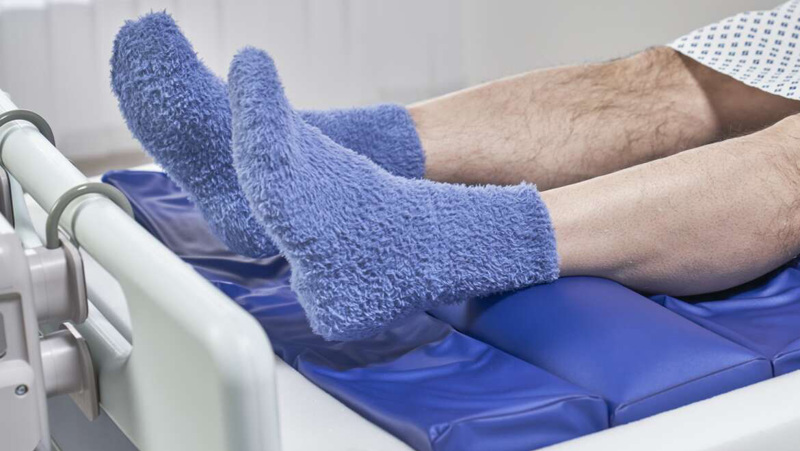
Targeted offloading facilitates complete removal of pressure from specific, vulnerable areas of the body, such as the heels, sacrum, or hips.
The use of integrated wound valve technology feature on a support surface helps caregivers to provide the intervention by completely deflating individual cells along the full length of the patient’s body. Individual cell deflation can be targeted at sensitive anatomical areas at particular risk of pressure injury to off-load pressure for as long as necessary.
The International Guidelines good practice statement H1 suggests it is good practice to elevate the heels of individuals at risk of pressure injuries, so the heels are not in contact with the full body support surface¹, the use of offloading wound valve technology facilitates the removal of direct pressure on this sensitive anatomical area.
Reference:
1. National Pressure Injury Advisory Panel, European Pressure Ulcer Advisory Panel and Pan Pacific Pressure Injury Alliance. Preventing Hee Pressure Injuries.In: Prevention and Treatment of Pressure Ulcers/Injuries: Clinical Practice Guideline. The International Guideline: Fourth Edition. Emily Haesler (Ed.). 2025.[cited:13/01/2026]. Available from: https://internationalguideline.com.
Recommended products
Please note that other repositioning aids and equipment may be required in addition to a support surface to reduce shear e.g. slings and other patient handling equipment

_Product_Node_Hero_Image.jpg%22+width%3d%22150%22%3e%3c%2ftd%3e%3ctd+class%3d%22t%22%3e%3cdiv+class%3d%22h%22%3e%3cstrong%3eRIK+Fluid+Overlay%3c%2fstrong%3e%3c%2fdiv%3e%3cdiv+class%3d%22p%22%3eNon-powered+fluid-based+overlay+for+reactive+pressure+redistribution%3c%2fdiv%3e%3ca+class%3d%22b%22+href%3d%22https%3a%2f%2fwww.arjo.com%2fen-us%2fproducts%2fpressure-injury-prevention---pip%2ffoam%2frik-fluid-overlay%2f%22%3eRead+more%3c%2fa%3e%3c%2ftd%3e%3c%2ftr%3e%0a%3c%2ftbody%3e%0a%3c%2ftable%3e&surfPds=48375-49342&surfPageId=168414)
%2520830x470_Product_Node_Hero_Image.jpg%22+width%3d%22150%22%3e%3c%2ftd%3e%0a%3ctd+class%3d%22t%22%3e%3cdiv+class%3d%22h%22%3e%3cstrong%3eAtmosAir+Velaris%3c%2fstrong%3e%3c%2fdiv%3e%3cdiv+class%3d%22p%22%3eAdaptable+Alternating+Pressure+System%3a+active+with+pump%2c+reactive+Continuous+Low+Pressure+without%3c%2fdiv%3e%3ca+class%3d%22b%22+href%3d%22https%3a%2f%2fwww.arjo.com%2fen-us%2fproducts%2fpressure-injury-prevention---pip%2fadaptable-alternating-pressure-systems%2fatmosair-velaris%2f%22%3eRead+more%3c%2fa%3e%3c%2ftd%3e%0a%3c%2ftr%3e%0a%0a%3c%2ftbody%3e%0a%3c%2ftable%3e&surfPds=50196&surfPageId=168414)
+%3c%2fdiv%3e%3ca+class%3d%22b%22+href%3d%22https%3a%2f%2fwww.arjo.com%2fen-us%2fproducts%2fpressure-injury-prevention---pip%2fmicroclimate-management%2flow-air-loss%2ffirst-step-cirrus%2f%22%3eRead+more%3c%2fa%3e%3c%2ftd%3e%0a%3c%2ftr%3e%0a%0a%3c%2ftbody%3e%0a%3c%2ftable%3e&surfPds=50163&surfPageId=168414)
%2520830x470_Product_Node_Hero_Image.jpg%22+width%3d%22150%22%3E%3C%2ftd%3E%0a%3Ctd+class%3d%22t%22%3E%3Cdiv+class%3d%22h%22%3E%3Cstrong%3EAtmosAir+Velaris%3C%2fstrong%3E%3C%2fdiv%3E%3Cdiv+class%3d%22p%22%3EAdaptable+Alternating+Pressure+System%3a+active+with+pump%2c+reactive+Continuous+Low+Pressure+without%3C%2fdiv%3E%3Ca+class%3d%22b%22+href%3d%22https%3a%2f%2fwww.arjo.com%2fen-us%2fproducts%2fpressure-injury-prevention---pip%2fadaptable-alternating-pressure-systems%2fatmosair-velaris%2f%22%3ERead+more%3C%2fa%3E%3C%2ftd%3E%0a%3C%2ftr%3E%0a%3Ctr%3E%3Ctd%3E%3Cimg+src%3d%22https%3a%2f%2fqbank.arjo.com%2fproductpageimages%2fArjoHuntleigh-Products-Therapuetic-Surfaces-Long-Term-CAare-Active-Therapy-Range-Alpha-Active-4_Product_Node_Hero_Image.jpg%22+width%3d%22150%22%3E%3C%2ftd%3E%3Ctd+class%3d%22t%22%3E%3Cdiv+class%3d%22h%22%3E%3Cstrong%3EAlpha+Active+4%3C%2fstrong%3E%3C%2fdiv%3E%3Cdiv+class%3d%22p%22%3EDual+therapy+system+delivering+active+Alternating+Pressure+or+reactive+Continuous+Low+Pressure%3C%2fdiv%3E%3Ca+class%3d%22b%22+href%3d%22https%3a%2f%2fwww.arjo.com%2fen-us%2fproducts%2fpressure-injury-prevention---pip%2falternating-pressure%2falpha-active-4%2f%22%3ERead+more%3C%2fa%3E%3C%2ftd%3E%3C%2ftr%3E%0a%3C%2ftbody%3E%0a%3C%2ftable%3E&Surface_part_2=%3Cstyle%3E%0a.t%7Bfont-family%3aArial%2cHelvetica%2csans-serif%7D%0a.h%7Bfont-size%3a16px%3bcolor%3a%23015174%7D%0a.p%7Bfont-size%3a12px%3bcolor%3a%23434342%3bmargin%3a6px+0+12px%7D%0a.b%7Bdisplay%3ainline-block%3bpadding%3a8px+14px%3bborder%3a2px+solid+%23015174%3bborder-radius%3a6px%3bcolor%3a%23000%3btext-decoration%3anone%7D%0a%3C%2fstyle%3E%0a%3Ctable+width%3d%22100%25%22%3E%0a%3Ctbody%3E%0a%3Ctr%3E%0a%3Ctd+width%3d%22160%22%3E%3Cimg+src%3d%22https%3a%2f%2fqbank.arjo.com%2fproductpageimages%2fAlphaActive_11_red2_Product_Node_Hero_Image.jpg%22+width%3d%22150%22%3E%3C%2ftd%3E%0a%3Ctd+class%3d%22t%22%3E%3Cdiv+class%3d%22h%22%3E%3Cstrong%3EAlpha+Active+3%3C%2fstrong%3E%3C%2fdiv%3E%3Cdiv+class%3d%22p%22%3EMattress+overlay+delivering+dual+therapy%3a+active+Alternating+Pressure+or+reactive+Continuous+Low+Pressure%E2%80%8B%3C%2fdiv%3E%3Ca+class%3d%22b%22+href%3d%22https%3a%2f%2fwww.arjo.com%2fen-us%2fproducts%2fpressure-injury-prevention---pip%2falternating-pressure%2falpha-active-3%2f%22%3ERead+more%3C%2fa%3E%3C%2ftd%3E%0a%3C%2ftr%3E%0a%3Ctr%3E%3Ctd%3E%3Cimg+src%3d%22https%3a%2f%2fqbank.arjo.com%2fproductpageimages%2fAlphaTrancellDeluxe_8_864x864_Product_Node_Hero_Image.jpg%22+width%3d%22150%22%3E%3C%2ftd%3E%3Ctd+class%3d%22t%22%3E%3Cdiv+class%3d%22h%22%3E%3Cstrong%3EAlpha+Trancell+Deluxe%3C%2fstrong%3E%3C%2fdiv%3E%3Cdiv+class%3d%22p%22%3EActive+Alternating+Pressure+System%3C%2fdiv%3E%3Ca+class%3d%22b%22+href%3d%22https%3a%2f%2fwww.arjo.com%2fen-us%2fproducts%2fpressure-injury-prevention---pip%2falternating-pressure%2falpha-trancell-deluxe%2f%22%3ERead+more%3C%2fa%3E%3C%2ftd%3E%3C%2ftr%3E%0a%3C%2ftbody%3E%0a%3C%2ftable%3E&surfPds=50196-48379-48378-48380&surfPageId=168414)

_Product_Node_Hero_Image.jpg%22+width%3d%22150%22%3e%3c%2ftd%3e%0a%3ctd+class%3d%22t%22%3e%3cdiv+class%3d%22h%22%3e%3cstrong%3eAuralis%3c%2fstrong%3e%3c%2fdiv%3e%3cdiv+class%3d%22p%22%3eAutomatic+dual+therapy%2c+active+Alternating+Pressure+or+reactive+Continuous+Low+Pressure%3c%2fdiv%3e%3ca+class%3d%22b%22+href%3d%22https%3a%2f%2fwww.arjo.com%2fen-us%2fproducts%2fpressure-injury-prevention---pip%2falternating-pressure%2fauralis%2f%22%3eRead+more%3c%2fa%3e%3c%2ftd%3e%0a%3c%2ftr%3e%0a%0a%3c%2ftbody%3e%0a%3c%2ftable%3e&surfPds=49004&surfPageId=168414)
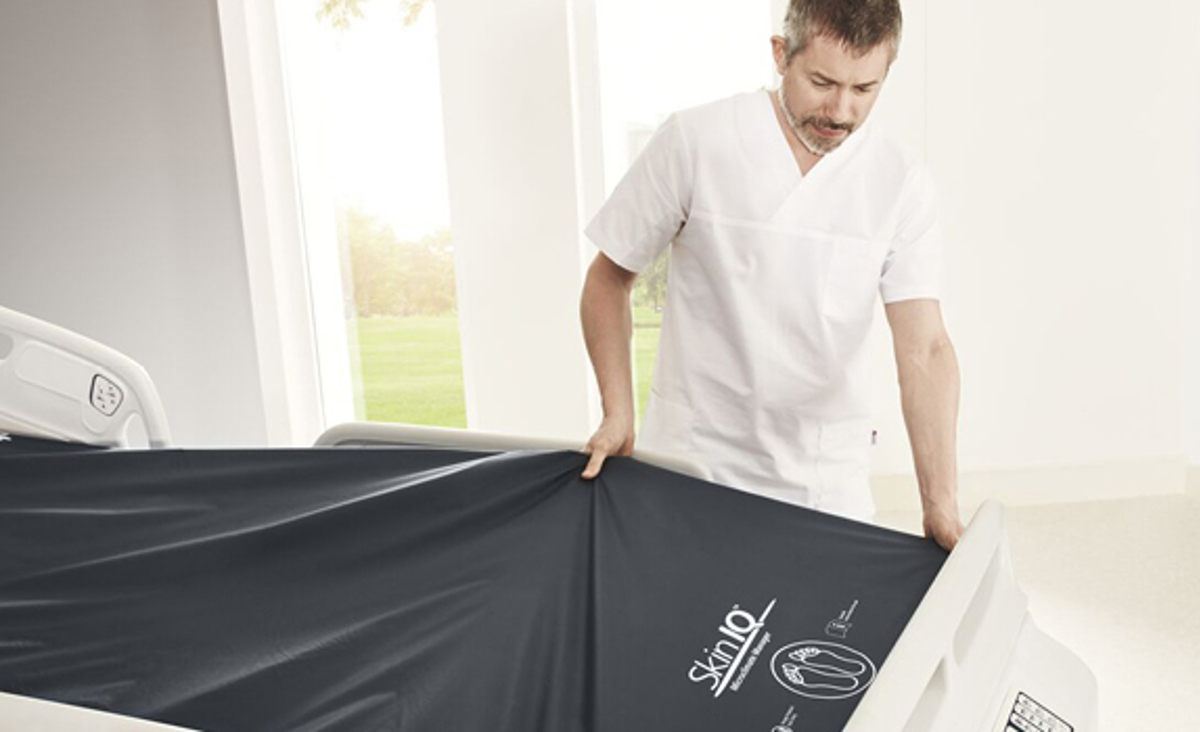
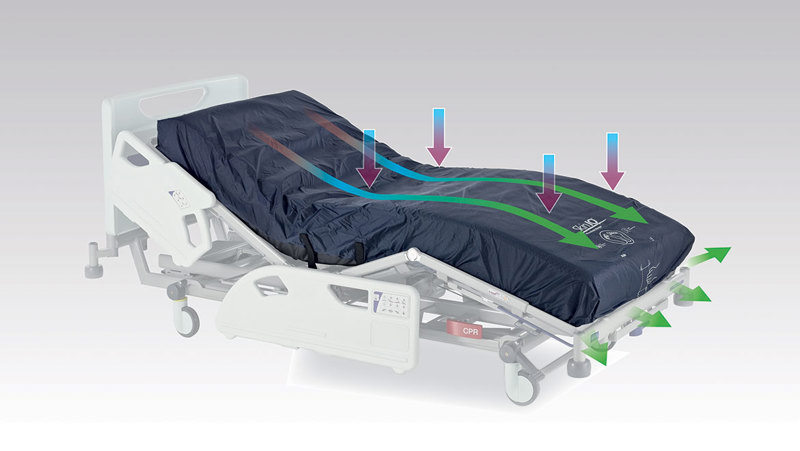
Microclimate management in Pressure Injury Prevention
Support surfaces are just one part of effective Pressure Injury Prevention. Managing microclimate, heat and moisture at the skin-surface interface, is another critical factor. Learn why it matters and how it can be addressed on our Microclimate Management page.
Learn from our experts

Understand the science behind your support surface
Download this in-depth clinical overview to explore the mechanisms behind pressure injury development and how support surface design, performance and testing can influence positive patient outcomes.
_Blog%20Image.jpg)
Make confident support surface choices
Make support surface selection straight forward and consistent. This easy-to-use guide helps you make informed decisions at the bedside, tailored to each patient’s individual needs. It offers a clear introduction to the key considerations involved in choosing the most appropriate support surface for every patient.

Practical insights for Pressure Injury Prevention
Gain practical, evidence-based guidance with our Arjo blog, covering key topics such as risk assessment, support surface selection and microclimate management.

Learn from the experts
Join our expert-led, on-demand webinars that explore a wide range of Pressure Injury
Prevention topics – and how these considerations come together in practice.

Your timely intervention is key
It takes just one risk factor for a pressure injury to develop. But with early intervention, it doesn’t have to.
Related content for our Pressure Injury Prevention category
Why is Microclimate Management important in Pressure Ulcer/Injury Prevention & Management?
by Sharon Maris, Director Global Medical Affairs for Pressure Injury Prevention Microclimate - the temperature and humidity at the skin’s surface - is a critical yet often underestimated factor in Pressure Ulcer/Injury Prevention. When heat and moisture build up, the skin becomes more fragile,...

Harnessing the power of intervention in pressure injury/ulcer prevention and management
by Sharon Maris, Director Global Medical Affairs for Pressure Injury Prevention Discover fresh insights from our clinical expert on the critical importance of early, individualised intervention in pressure injury prevention and management. Explore how the latest evidence-based guidelines,...

Choosing the right support surface strategy for your LTC facility: A clinical perspective
In nursing homes and assisted living facilities, selecting the right support surface isn’t just a clinical decision, it’s a strategic one. With rising acuity levels, staffing constraints, and pressure injury risks, administrators and clinical leaders must balance resident safety, caregiver...
%20B_2%20Column%20Midsize%20Editorial.jpg)
How leading LTC facilities are reducing pressure injuries and staff injuries, without compromising resident dignity
Nursing homes and assisted living facilities are under increasing pressure to improve clinical outcomes while maintaining a high standard of resident dignity and staff safety. With rising acuity levels, workforce shortages, and regulatory scrutiny, many administrators are asking: How can we do more...
_2%20Column%20Midsize%20Editorial.jpg)
The 4 hidden risks in long-term care: What every nursing home and assisted living administrator should know
Caring for residents in long-term care settings comes with unique and evolving challenges. Whether you're supporting individuals with cognitive decline, managing pressure injury risk, or protecting your caregiving staff from injury, your facility is constantly balancing clinical outcomes, resident...

Empowering Care Teams: Improving Efficiency and Safety in Hospitals and Health Systems
In today’s acute care environment, hospitals are under pressure to deliver better outcomes with fewer resources. Staffing shortages, rising acuity, and increasing safety expectations are pushing clinical leaders to rethink how care is delivered—and how caregivers are supported.

The CNO’s Checklist: 6 Essentials for Selecting the Right Acute Care Vendor
In acute care, every decision has a ripple effect. From staffing and safety to patient outcomes and operational efficiency, the right partner can help you navigate complexity with confidence.

When Nurses Hurt, Hospitals Bleed: The Overlooked Costs of Caregiver Injury
The Cost of Care Has a Human Price Tag In today’s acute care environment, the pressure on front line teams is relentless. Staffing shortages dominate headlines—but beneath the surface, another crisis is quietly draining resources, morale, and outcomes: caregiver injuries.

The power of intervention in pressure injury prevention and management
by Sharon Maris, Director Global Medical Affairs for Pressure Injury Prevention Pressure injury prevention interventions are key to reducing the risk of developing painful, resource intensive and costly pressure injuries.

The importance of time in pressure injury development and how Arjo clinical expertise helps improve outcomes
Pressure injuries (PIs) are one of the largest unsolved healthcare challenges today and International pressure injury prevalence rates are estimated to be between 3-32% in Long Term Care facilities.1 Under certain conditions PIs can begin to develop in a matter of minutes to hours2,7. That is why...

What’s Under the Sheets Does Matter
The National Pressure Injury Advisory Panel (NPIAP) recently held its annual conference in San Diego in March 2023. One of the posters submitted by our Arjo colleagues, “What's Under the Sheets Matters- a Compatibility Study,” was awarded the prestigious NPIAP 2023 Charlie Lachenbruch Award. This is...
The time factor in alternating pressure
Why “Lower for Longer” is the driving principle behind the performance of an alternating pressure surface.
Preventing Pressure Injury in Prone Positioning
Prone positioning, which involves turning a patient over so that they lie in a chest-down, is a well-established intervention for ARDS. It has been shown to improve oxygenation and prevent ventilator-induced lung injury due to the more uniform distribution of lung stress and strain1,2.

How our cover fabrics are designed to support infection control
A mattress cover should support the prevention of cross-contamination – without compromising the performance of the support surface.
_2%20Column%20Midsize%20Editorial.jpg)
The link between nutrition, pressure injuries and wound healing
Nutritional status plays an integral role in the process of wound healing and in the prevention and treatment of pressure injuries. Macronutrients and micronutrients are required by each organ system in specific amounts to promote growth, development, maintenance, and repair of body tissues.1
Pressure injury prevention strategies for healthier outcomes
A pressure injury seriously affects quality of life. As clinicians, increasing awareness of pressure injury prevention and education are important to help ensure healthier outcomes for those in our lives and under our care.
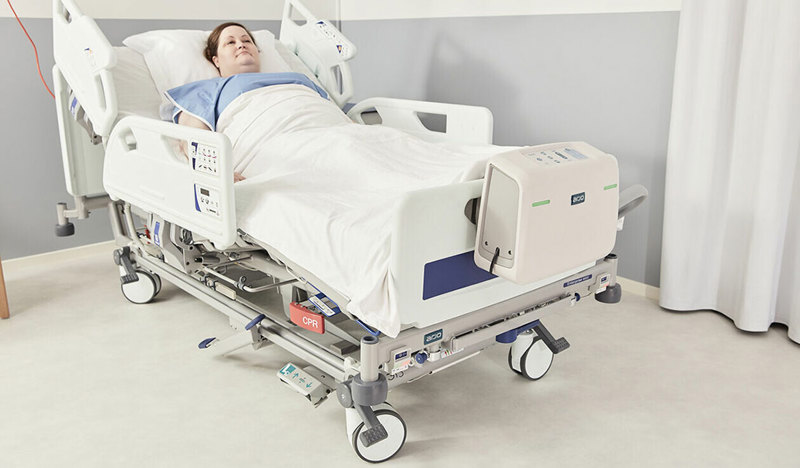
Wound care requires an individualized approach
Recovery from a wound, whether a stage 1 pressure injury or a full thickness wound, requires an individualized approach. The acronym, APIE, frequently includes trial and error, and complex testing to the find the right solutions at the right time to heal a wound: A - Assessment P - Planning I –...
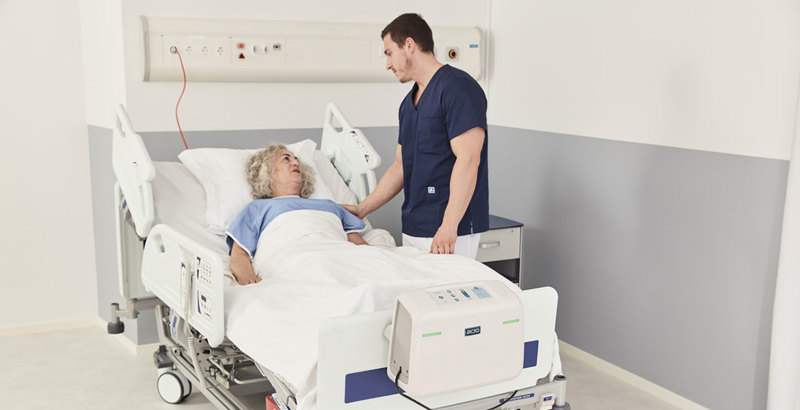
How to prevent pressure injury during patient rehabilitation
Empowering movement is fundamental to any patient rehabilitation programme and is a core principle in the prevention of pressure injury development. With the impact of the current pandemic, the focus on mobilising and rehabilitating patients earlier and often throughout the day has never been higher...

Meeting the infection control challenge when selecting a support surface
Healthcare settings face the challenge of managing an effective Infection Control protocol on a daily basis. Ensuring the safety of patients and staff at all times, in a range of different settings requires a robust process, where care and treatment can be delivered without the risk of infection due...

Preventing Pressure Injuries in Patients with Reduced Mobility
Reduced mobility is a significant risk factor for pressure injury development, international guidelines emphasise the need for regular turning and repositioning of patients to help prevent skin damage¹. While a pressure redistribution mattress may enable the repositioning regimen to be...

How to manage microclimate in the plus sized patient?
According to a 2016 report by the WHO, globally there are 650 million people that are obese accounting for approx. 13% of the world’s adult population¹.

Empowering movement to prevent pressure injury during patient rehabilitation
Empowering movement is fundamental to any patient rehabilitation program and is a core principle in the prevention of pressure injury development. With the impact of the current pandemic, the focus on mobilizing and rehabilitating patients earlier and often, throughout the day, has never been higher...
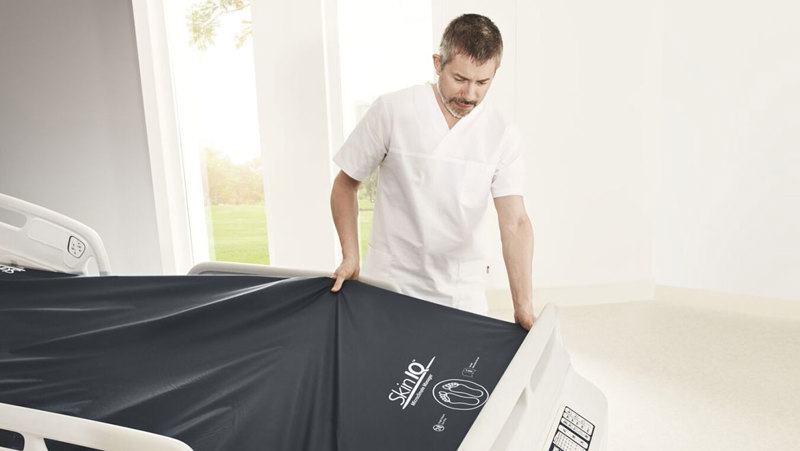
Managing skin microclimate with Skin IQ's Negative Airflow Technology
The International Pressure Ulcer Prevention and Management Guidelines discuss how managing microclimate can provide an environment conducive to injury prevention and tissue repair. As such the guidelines recommend the need for additional features such as the ability to control moisture and...
_2%20Column%20Midsize%20Editorial.jpg)
Deep Tissue Injury Prevention and Treatment
Earn While You Learn: Continuing Education Certificate and One (1) Contact Hour Available! .cf0{font-size:11pt;} Deep tissue injuries (DTIs) are among the most challenging conditions faced by healthcare professionals. They often develop in a variety of environments, can be difficult to detect early,...

Are you active or reactive? Guidelines for support surfaces
Earn While You Learn: Continuing Education Certificate and One (1) Contact Hour Available! Pressure injuries remain a significant challenge in healthcare, impacting patient well-being, caregiver workload, and facility resources. This on-demand webinar presented by Amanda Roguljic, RN, MS, APN, CWCN,...
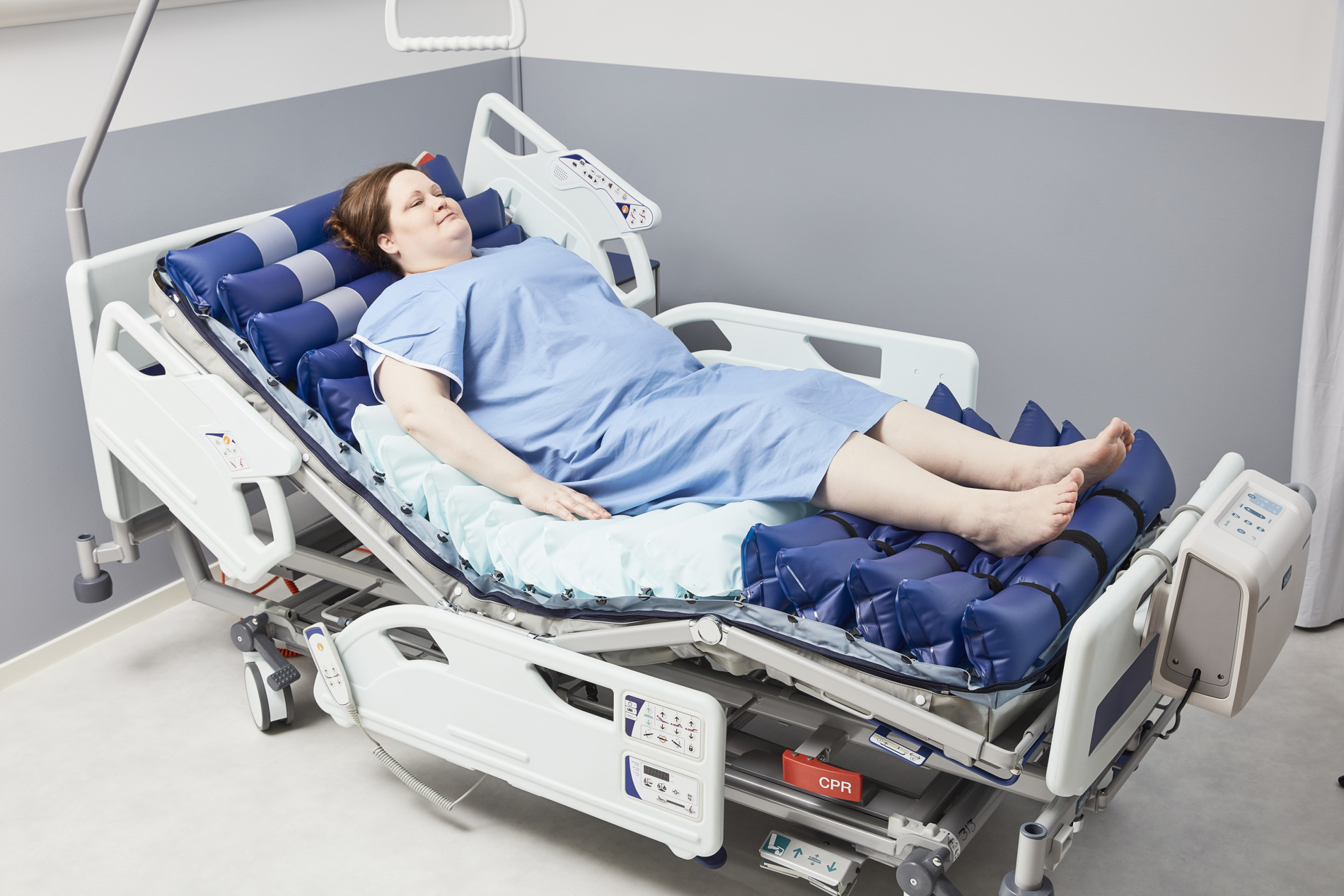
No Matter the Size … Body Fold Management is for Everyone!
Earn While You Learn: Continuing Education Certificate and One (1) Contact Hour Available! Join renowned wound care expert Nancy Morgan, RN, BSN, MBA, WOCN, CWCMS, for an insightful and practical webinar focused on preventing skin breakdown and pressure injuries, particularly in individuals with...

Have a seat: The importance of therapeutic surfaces & sitting
For individuals with limited mobility, chronic health conditions, or those recovering from injury, sitting isn’t just a passive activity—it’s a critical component of care. The right seating surface can make a profound difference in comfort, clinical outcomes, and quality of life. In this webinar, we...

Medical device related pressure injury
Earn While You Learn: Continuing Education Certificate and One (1) Contact Hour Available! Join our webinar for a focused look at the risks and prevention of medical device-related pressure injuries (MDRPIs), a growing concern in patient safety. Through expert insights and practical guidance,...

Pressure Injury Prevention: A personal and patient-centered approach
Knowing what actions to take, and when, can make all the difference in preventing pressure injuries from developing. This webinar is designed to provide healthcare professionals with essential knowledge and practical strategies to enhance patient care and prevent pressure injuries. Our expert...

Therapeutic Value of Seating: Introducing the Sorrento 2 & Phoenix 2 from Seating Matters
Please join Andy Rich MS, OTR/L, CSPHP, Clinical Solutions Manager for Arjo and Jim Deccio, US Director of Sales and Operations for Seating Matters for a new product launch webinar showcasing Seating Matters' newest chairs – the Sorrento 2 and Phoenix 2! During this webinar you will: Learn the...

The Science of microclimate
Learning objectives Participants will: Discuss the etiology of pressure injuries as it relates to the extrinsic factors of pressure injury development Discuss the effects of temperature on the skin Discuss the effects of moisture on the skin Discuss methods that affect heat and moisture dissipation...

Pressure Injury Staging and Wound Assessment
Learning objectives Participants will: Discuss the layers of the skin and skin function Define a pressure injury Classify pressure injuries based on the National Pressure Injury Advisory Panel staging system List the items to be assessed and documented when evaluating a pressure injury or wound

Are you Active or Reactive?
Please join Carroll Gillespie, MS, BSN, RN, CWOCN for a discussion on NPIAP support surface classifications. Equipment demonstrations wil include the Atmos Air 9000X, Auralis Alternating Pressure Mattress System and the Citadel C200 with Skin IQ 365.
