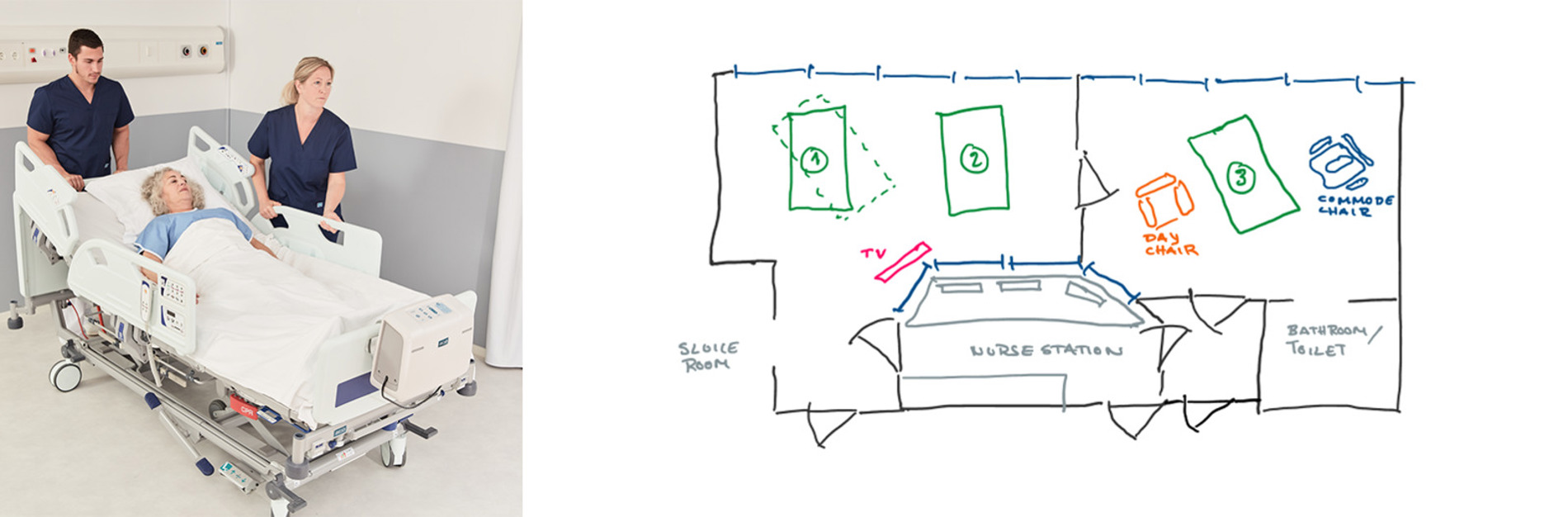
細部にわたる徹底した調査が、既存のソリューションを上回る価値を付加する、新しいArjo製品の誕生につながった事例がたくさんあります。Arjoでプロダクトアーキテクトを務めるJörgen Jönssonは、既存のベッドよりも優れた病院用ベッドを生み出す道を切り拓くため、48時間の間、集中治療室(ICU)で視察を行いました。
“The main purpose of my ‘fly-on-the-wall’ weekend in a hospital in southern Sweden was to spot areas where improvements can reduce the impact of immobility for patients and make caregivers’ work easier and more efficient,” Jörgen explains.
‘Firsthand’ is a word that that stands out when he describes the field trip to the hospital, where he shadowed a team of nurses in the ICU day and night.
“When you ask someone to tell you about their experiences, you may get a slightly ‘filtered’ description, mixing how things actually are done with how they should be done. Being in the moment, seeing the moves with your own eyes, gives a more honest version,” Jörgen says.
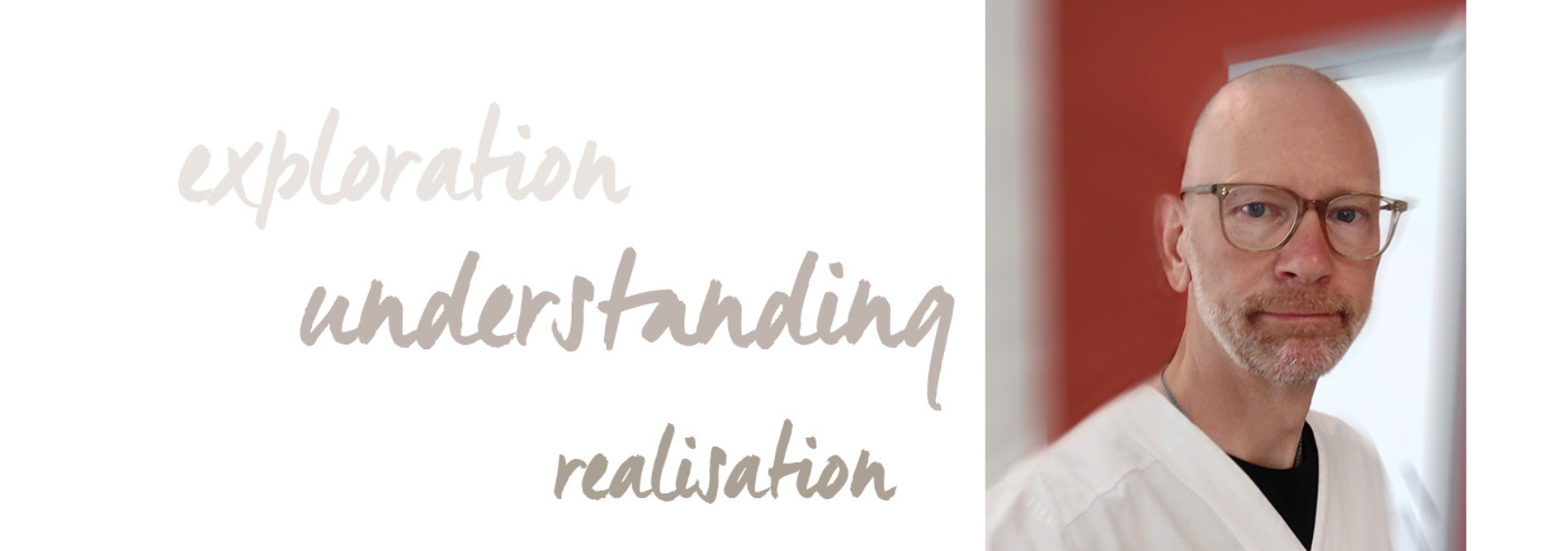
“Over 48 hours you get to view different caregivers performing the same task, sometimes very differently. Ideas start popping up in your head, and when you review them afterwards, a few stand out as really valuable.”
Since opportunities to film patients and caregivers in the ICU are very limited due to privacy rules, Jörgen prefers to scribble down some quick drawings, zooming in on very small details that are easy to share with colleagues later.
“A significant part of nurses’ shifts are spent interacting with the patient and the bed, and every movement is interesting. All observations transform into ideas to discuss and refine with the project team back in the design studio.”
The field research is one of many examples of how Arjo works to empower movement in healthcare, leveraging the key role mobility plays in the care process to drive healthier outcomes, and Jörgen concludes:
“To me, Empowering Movement means giving the best opportunities possible to restore the mobility of the patients while streamlining the everyday work for the caregivers involved - that's why we always strive to uncover unmet needs.”