
Pressure Injury Prevention


AtmosAir Velaris

TheraKair Visio


Nimbus 4

Auralis Plus
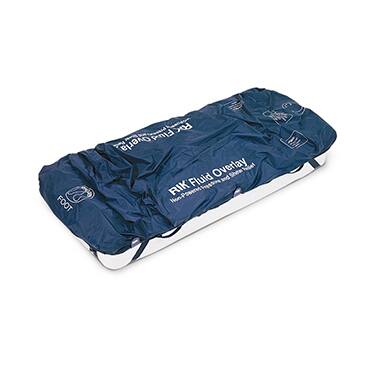
RIK Fluid Overlay

AtmosAir 9000X

Skin IQ®

Auralis

Skin IQ® 365

Skin IQ® 1000

Nimbus Professional

AtmosAir Velaris Plus Flex
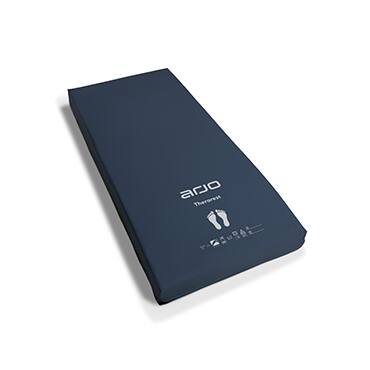

MaxxAir ETS

Related content for our Pressure Injury Prevention category
Why is Microclimate Management important in Pressure Ulcer/Injury Prevention & Management?
by Sharon Maris, Director Global Medical Affairs for Pressure Injury Prevention Microclimate - the temperature and humidity at the skin’s surface - is a critical yet often underestimated factor in Pressure Ulcer/Injury Prevention. When heat and moisture build up, the skin becomes more fragile,...

Harnessing the power of intervention in pressure injury/ulcer prevention and management
by Sharon Maris, Director Global Medical Affairs for Pressure Injury Prevention Discover fresh insights from our clinical expert on the critical importance of early, individualised intervention in pressure injury prevention and management. Explore how the latest evidence-based guidelines,...

The power of intervention in pressure injury prevention and management
by Sharon Maris, Director Global Medical Affairs for Pressure Injury Prevention Pressure injury prevention interventions are key to reducing the risk of developing painful, resource intensive and costly pressure injuries.

Preventing Pressure Injury in Prone Positioning
Prone positioning, which involves turning a patient over so that they lie in a chest-down, is a well-established intervention for ARDS. It has been shown to improve oxygenation and prevent ventilator-induced lung injury due to the more uniform distribution of lung stress and strain1,2.

How our cover fabrics are designed to support infection control
A mattress cover should support the prevention of cross-contamination – without compromising the performance of the support surface.

The time factor in Alternating Pressure
Why “Lower for Longer” is the driving principle behind the performance of an Alternating Pressure surface.

What could a One Surface Strategy mean for you?
From the time PI risk is assessed to ensuring the appropriate intervention, time can be a crucial factor in improving outcomes for caregivers and those in their care.

How to prevent pressure injury during patient rehabilitation
Empowering movement is fundamental to any patient rehabilitation programme and is a core principle in the prevention of pressure injury development. With the impact of the current pandemic, the focus on mobilising and rehabilitating patients earlier and often throughout the day has never been higher...

Meeting the infection control challenge when selecting a support surface
Healthcare settings face the challenge of managing an effective Infection Control protocol on a daily basis. Ensuring the safety of patients and staff at all times, in a range of different settings requires a robust process, where care and treatment can be delivered without the risk of infection due...

Preventing Pressure Injuries in Patients with Reduced Mobility
Reduced mobility is a significant risk factor for pressure injury development, international guidelines emphasise the need for regular turning and repositioning of patients to help prevent skin damage¹. While a pressure redistribution mattress may enable the repositioning regimen to be...

How to manage microclimate in the plus sized patient?
According to a 2016 report by the WHO, globally there are 650 million people that are obese accounting for approx. 13% of the world’s adult population¹.

Managing skin microclimate with Skin IQ's Negative Airflow Technology
The International Pressure Ulcer Prevention and Management Guidelines discuss how managing microclimate can provide an environment conducive to injury prevention and tissue repair. As such the guidelines recommend the need for additional features such as the ability to control moisture and...


Act early to prevent pressure injuries
Pressure injuries can often be prevented with timely intervention.
With the right support, you can choose and apply solutions that fit your care setting.
Our experts can guide you on support surfaces, microclimate management and next steps.
STOP Pressure Injury Day 2026
To mark Stop Pressure Injury Day 2026, our clinical expert explains why timely intervention is critical in pressure injury prevention.
Discover how evidence-based, patient-focused decisions help you act early and improve care outcomes.

Arjo Support Surface Selection Guide
Choose a support surface with ease. Our step-by step
guide helps you quickly and effectively determine the most
suitable option for patients in your care.

Understanding microclimate where skin meets the support surface
Heat and moisture at the skin surface can impact how tissue responds to pressure over time.
See how a deeper understanding of microclimate can strengthen your prevention approach.

Sign up for Pressure Injury Prevention updates
Get practical insights, clinical updates and new resources through our newsletter, designed to support pressure injury prevention across all care settings.

Support early intervention with low air loss therapy
Help ensure patients at risk of pressure injuries receive consistent support with low air loss technology designed to manage heat and moisture at the skin surface.
TheraKair Visio® supports a proactive approach to prevention, helping you address key risk factors as part of everyday care.

Access the latest clinical evidence on pressure injury prevention
Our updated clinical evidence brochure brings together the latest research and insights on pressure injury prevention.
Register with your professional details to access evidence‑based guidance that supports informed clinical and purchasing decisions.

How microclimate supports Pressure Injury Prevention
Microclimate conditions can influence how tissue responds to pressure over time.
Learn how managing heat and moisture at the skin surface can support pressure injury prevention and inform surface selection.

Stay focused on prevention. We handle the rest.
Arjo Rental goes beyond equipment. We take care of delivery, setup, maintenance and logistics, backed by clinical expertise to support your team in practice.
So your team can stay focused on care and pressure injury prevention.

How Skin IQ supports microclimate management
Support patients at risk of pressure injuries with technology designed to draw heat and moisture away from the skin.
Skin IQ® enables active microclimate management as part of a targeted prevention approach.