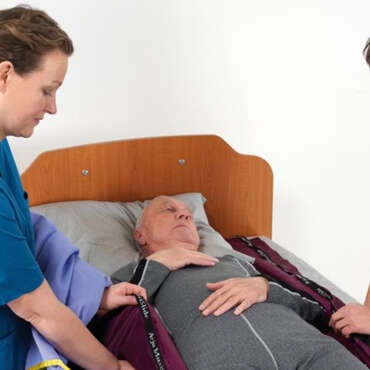
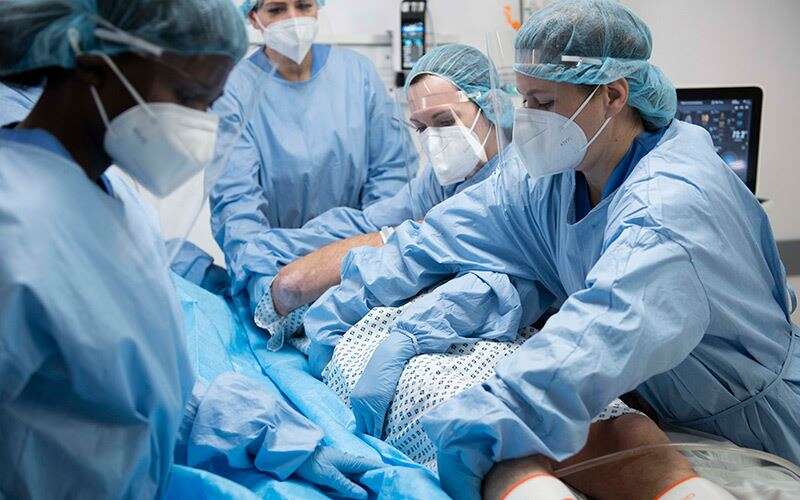
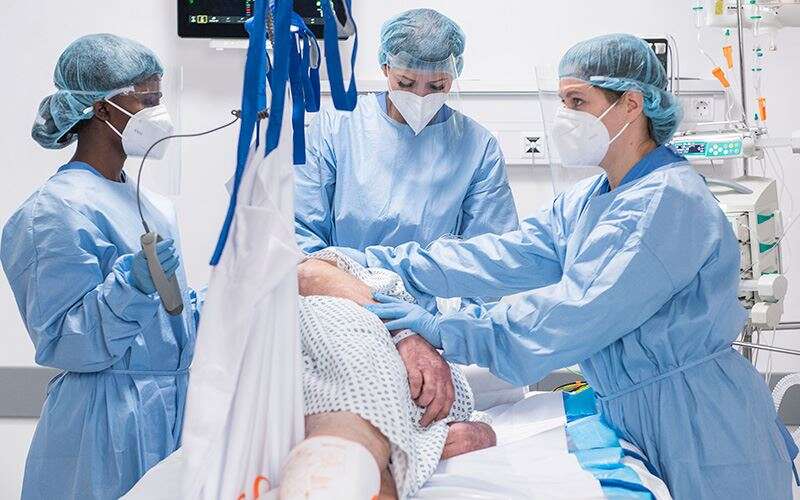

Rotation vers et depuis la position de décubitus ventral
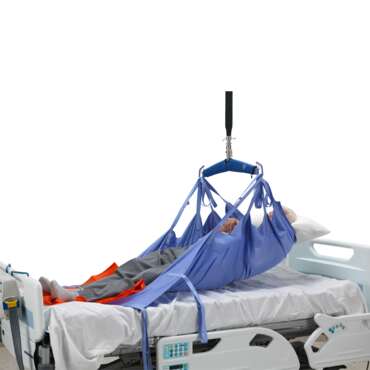
Prone positioning involves turning a patient onto their chest. This may sound like a straightforward task. However, clinicians appreciate that this can be a complex, labour-intensive manoeuvre that can put both patients and caregivers at risk.
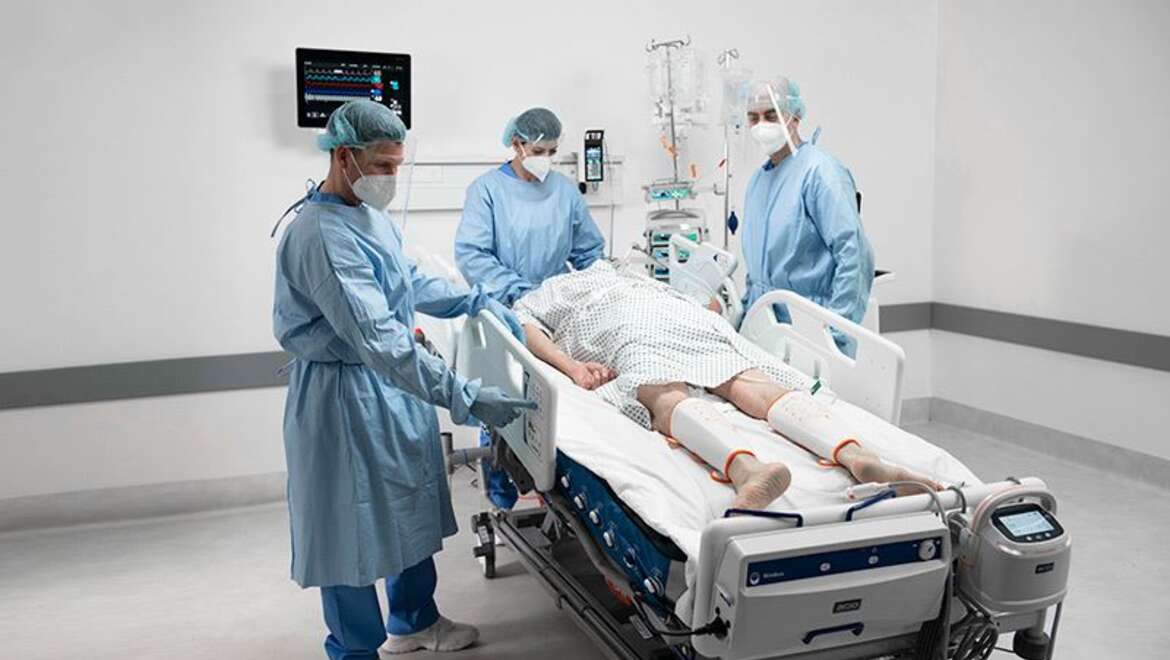
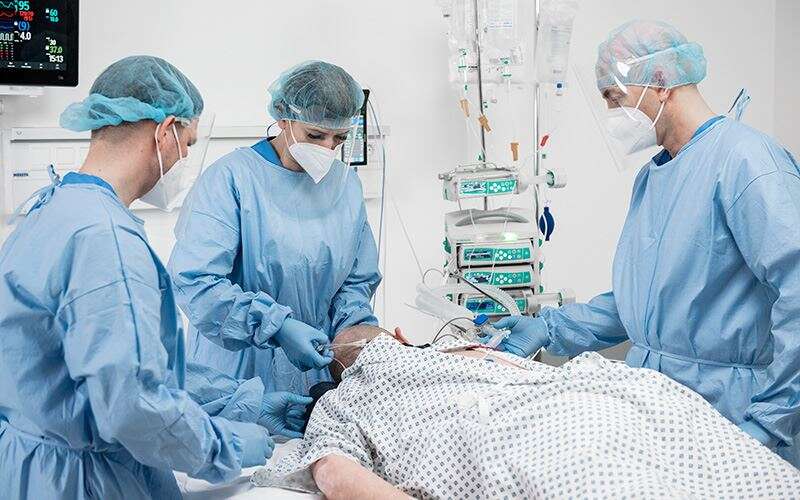
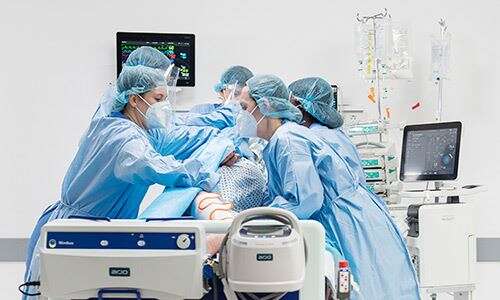
En décubitus ventral
Patients often spend up to 16 hours out of every 24-hour period in the prone position⁵. Such lengthy sessions are associated with an increased risk of pressure injury.⁶

Expertise Arjo : Déployer les solutions adaptées là où elles ont le plus d’impact
Identifiez les risques invisibles de votre environnement de soins et concentrez vos ressources là où elles auront le plus d’impact, le tout basé sur les données de votre établissement.

Où se situent les risques
au sein de votre établissement ?
Notre outil d’évaluation des risques liés à la mobilité Arjo vous aide à identifier les domaines
d’amélioration en matière de qualité de soins, et vous fournit un rapport personnalisé pour vous
guider lors des prochaines étapes vers une gestion des risques plus sûre et plus durable.
Références
- Papazian, L., Aubron, C., Brochard, L., Chiche, J., Combes, A., Dreyfuss, D., Forel, J., Guérin, C., Jaber, S., Mekontso-Dessap, A., Mercat, A., Richard, J., Roux, D., Vieillard-Baron, A. and Faure, H., 2019. Formal guidelines: management of acute respiratory distress syndrome. Annals of Intensive Care, 9(1).
- Bamford, P., et al, 2019. Guidance For: Prone Positioning in Adult Critical Care. Intensive Care Society and Faculty of Intensive Care Medicine.
- Richardson et al., 2019. Perspectives on Preventing Musculoskeletal Injuries in Nurses: A Qualitative Study. Nursing Open.
- Wiggermann, N., Zhou, J. and McGann, N., 2020. Effect of Repositioning Aids and Patient Weight on Biomechanical Stresses When Repositioning Patients in Bed. Human Factors: The Journal of the Human Factors and Ergonomics Society.
- Guerin C, et al, 2013. Prone positioning in severe acute respiratory distress syndrome. N Engl J Med.
- Girard R, Baboi L, et al., 2014. The impact of patient positioning on pressure ulcers in patients with severe ARDS: results from a multicentre randomised controlled trial on prone positioning. Intensive Care Med.
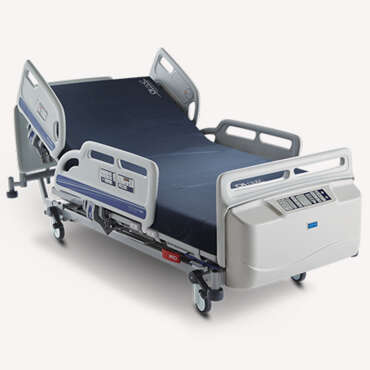
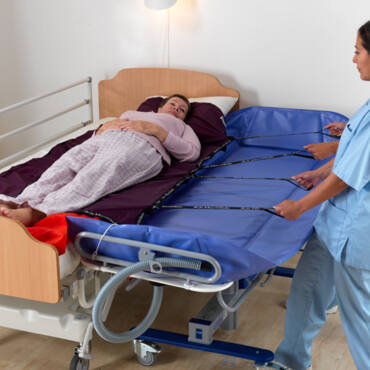
Produits de cette solution

_Product_Node_Hero_Image.jpg)