Guide de sélection des surfaces de soutien Arjo
Obtenez des recommandations de produits personnalisées, adaptées aux besoins liés aux soins de votre patient. Fournissez les détails, et nous vous guiderons vers les options les plus appropriées.
Étape 1
Tout d’abord, sélectionnez le type de solution de surface de soutien corporelle complète dont vous avez besoin.
Step 2
Following the patient’s and/or resident’s individual risk assessment: In french
Step 3
Is a foam support surface or an adaptable (also referred to as hybrid) product required?
Step 3
Would the individual tolerate lying on an active or alternating pressure (cells moving) support surface?
STEP 4
Is there a need for a fully automatic active pressure redistribution support surface?
STEP 5
Targeted off-loading capability to vent the air from individual cells
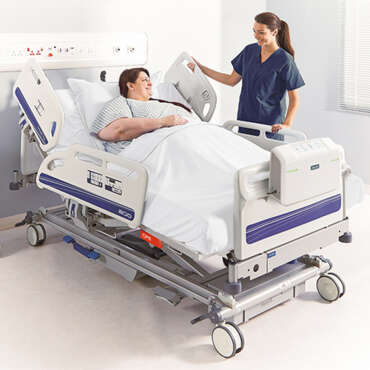
Auralis Plus

AtmosAir Velaris Plus Flex


_Product_Node_Hero_Image.jpg)
 830x470_Product_Node_Hero_Image.jpg)
AtmosAir Velaris
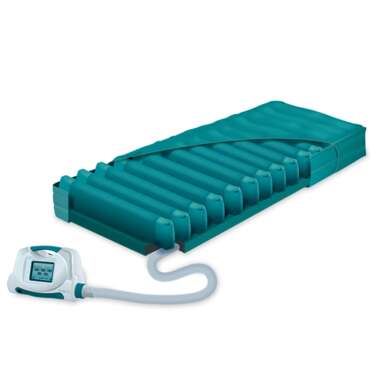
TheraKair Visio

AtmosAir Velaris
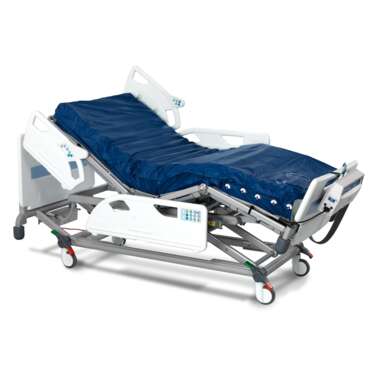
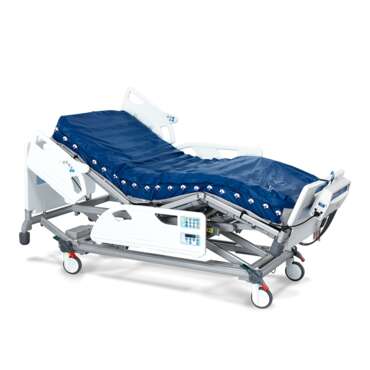
_Product_Node_Hero_Image.jpg)
Identifier une surface de soutien corporelle complète dans le cadre du plan de soins de prévention des lésions de pression de la personne.
Ce guide étape par étape est conçu pour vous aider à sélectionner une surface de soutien appropriée pour chaque patient.
En répondant à une série de questions cliniques et liées aux soins, vous recevrez des recommandations de produits adaptées, correspondant aux besoins spécifiques du patient.
Que vous preniez des décisions courantes ou complexes, le guide simplifie le processus en réduisant les options aux surfaces les plus adaptées selon l’état du patient et les priorités de soins.
Considération initiale pour identifier la surface de soutien appropriée
La déclaration de bonnes pratiques SS2 des lignes directrices internationales recommande d’utiliser une surface de soutien corporelle complète qui s’adapte de manière appropriée au poids et à la répartition de la masse corporelle de la personne¹.
Les surfaces de soutien destinées aux patients de forte corpulence doivent prendre en compte à la fois leur poids et leur morphologie corporelle, en offrant une largeur adéquate pour faciliter le repositionnement et/ou la mobilité autonome au lit.
Reference:
1. National Pressure Injury Advisory Panel, European Pressure Ulcer Advisory Panel and Pan Pacific Pressure Injury Alliance. Full Body Support Surfaces for Prevention of Pressure Injuries. In: Prevention and Treatment of Pressure Ulcers/Injuries: Clinical Practice Guideline. The International Guideline: Fourth Edition. Emily Haesler (Ed.). 2025.[cited: 28/10/2025]. Available from: https://internationalguideline.com.
Repositioning for individuals at risk of Pressure Injury (PI)
Extended periods of lying or sitting on a particular part of the body without redistributing the pressure leads to deformation of tissues and, ultimately if damage thresholds are exceeded, tissue damage in the form of a PI¹.
Repositioning and mobilisation are essential preventive measures for reducing PI occurrence.
The international guidelines good practice statement R3 suggests it is good practice to use specialised equipment designed to reduce friction and shear when repositioning individuals².
Caregivers may also consider manual handling techniques and specialised equipment designed to minimise shear forces. This can include, but is not limited to, the use of low-friction fabrics, mechanical lifting devices, transfer sheets, and bed features such as turn assist - where appropriate for the individual’s needs.
Reference:
1. Gefen A, Brienza DM, Cuddigan J, Haesler E, Kottner J. Our contemporary understanding of the aetiology of pressure ulcers/pressure injuries. Int Wound J. 2022;19(3):692-704.
2. National Pressure Injury Advisory Panel, European Pressure Ulcer Advisory Panel and Pan Pacific Pressure Injury Alliance. Full Body Support Surfaces for Prevention of Pressure Injuries. In: Prevention and Treatment of Pressure Ulcers/Injuries: Clinical Practice Guideline. The International Guideline: Fourth Edition. Emily Haesler (Ed.). 2025.[cited: 28/10/2025]. Available from: https://internationalguideline.com.
Selecting a Full Body Support Surface
The International guidelines good practice statement SS1, clarifies It is good practice for organisations to maintain an inventory of, or access to, a range of full body support surfaces appropriate to the clinical context².
This is because individuals at risk of PIs have varying clinical needs, preferences and goals of care; therefore, the entity that provide full body support surfaces should ensure there is access to different full body support surfaces with a range of performance characteristics and design features to address the various and diverse needs of individuals².
Reference:
1. Support Surface Standards Initiative (S3I) Subcommittee of the NPIAP. Terms & Definitions related to Support Surfaces NPIAP; 2025.
2. National Pressure Injury Advisory Panel, European Pressure Ulcer Advisory Paneland Pan Pacific Pressure Injury Alliance. Full Body Support Surfaces for Prevention of Pressure Injuries. In: Prevention and Treatment of Pressure Ulcers/Injuries: Clinical Practice Guideline. The International Guideline: Fourth Edition. Emily Haesler (Ed.).2025.[cited: 28/10/2025]. Available from: https://internationalguideline.com
Selecting a Full Body Support Surface
The International guidelines good practice statement SS1, clarifies it is good practice for organisations to maintain an inventory of, or access to, a range of full body support surfaces appropriate to the clinical context1.
This is because individuals at risk of PIs have varying clinical needs, preferences and goals of care; therefore, the entity that provides full body support surfaces should ensure there is access to different full body support surfaces with a range of performance characteristics and design features to address the various and diverse needs of individuals1.
Reference:
1. National Pressure Injury Advisory Panel, European Pressure Ulcer Advisory Paneland Pan Pacific Pressure Injury Alliance. Full Body Support Surfaces for Prevention of Pressure Injuries. In: Prevention and Treatment of Pressure Ulcers/Injuries: Clinical Practice Guideline. The International Guideline: Fourth Edition. Emily Haesler (Ed.).2025.[cited: 28/10/2025]. Available from: https://internationalguideline.com.
Manual vs. Automatic cell adjustment
Clinicians are responsible for correct set up of the device and this is likely to have implications for training, particularly in areas where:
- Staff turnover is high
- The environment of care is unsupervised e.g. home care
- Where patient acuity may divert attention e.g. intensive care
Manually adjusted: may be most appropriate for patients who are less vulnerable to harm should the device be set incorrectly.e.g. patients with lower risk factors, who can make some independent position changes.
Automatic adjusted: reduce the risk of incorrect settings or missed adjustments following changes in patient positioning. They are designed to adapt in real-time, optimising internal cell pressures to maintain high levels of comfort and effective pressure redistribution regardless of weight or patient positioning. They may be considered most suitable for vulnerable patients.
Complexity of turning and repositioning the individual
Targeted offloading facilitates complete removal of pressure from specific, vulnerable areas of the body, such as the heels, sacrum, or hips.
The use of integrated wound valve technology feature on a support surface helps caregivers to provide the intervention by completely deflating individual cells along the full length of the patient’s body. Individual cell deflation can be targeted at sensitive anatomical areas at particular risk of pressure injury to off-load pressure for as long as necessary.
The International Guidelines good practice statement H1 suggests it is good practice to elevate the heels of individuals at risk of pressure injuries, so the heels are not in contact with the full body support surface¹, the use of offloading wound valve technology facilitates the removal of direct pressure on this sensitive anatomical area.
Reference:
1. National Pressure Injury Advisory Panel, European Pressure Ulcer Advisory Panel and Pan Pacific Pressure Injury Alliance. Preventing Hee Pressure Injuries.In: Prevention and Treatment of Pressure Ulcers/Injuries: Clinical Practice Guideline. The International Guideline: Fourth Edition. Emily Haesler (Ed.). 2025.[cited:13/01/2026]. Available from: https://internationalguideline.com.
Produits recommandés
+et+r%c3%a9active+(basse+pression+continue)%3cbr+%2f%3e%3c%2fdiv%3e%3ca+class%3d%22b%22+href%3d%22%2ffr-ca%2fproducts%2fpressure-injury-prevention---pip%2falternating-pressure%2fatmosair-velaris-plus-flex%2f%22%3eRead+more%3c%2fa%3e%3c%2ftd%3e%3c%2ftr%3e%0a%3c%2ftbody%3e%0a%3c%2ftable%3e&Surface_Part_2=%3cstyle%3e%0a.t%7bfont-family%3aArial%2cHelvetica%2csans-serif%7d%0a.h%7bfont-size%3a16px%3bcolor%3a%23015174%7d%0a.p%7bfont-size%3a12px%3bcolor%3a%23434342%3bmargin%3a6px+0+12px%7d%0a.b%7bdisplay%3ainline-block%3bpadding%3a8px+14px%3bborder%3a2px+solid+%23015174%3bborder-radius%3a6px%3bcolor%3a%23000%3btext-decoration%3anone%7d%0a%3c%2fstyle%3e%0a%3ctable+width%3d%22100%25%22%3e%0a%3ctbody%3e%0a%3ctr%3e%0a%3ctd+width%3d%22160%22%3e%3cimg+src%3d%22https%3a%2f%2fqbank.arjo.com%2fproductpageimages%2fMaxxAir-color_864x864_Product_Node_Hero_Image.jpg%22+width%3d%22150%22%3e%3c%2ftd%3e%0a%3ctd+class%3d%22t%22%3e%3cdiv+class%3d%22h%22%3e%3cstrong%3eMaxxAir+ETS%3c%2fstrong%3e%3c%2fdiv%3e%3cdiv+class%3d%22p%22%3e%3c%2fdiv%3e%3ca+class%3d%22b%22+href%3d%22%2ffr-ca%2fproducts%2fpressure-injury-prevention---pip%2flow-air-loss%2fmaxxair-ets%2f%22%3eRead+more%3c%2fa%3e%3c%2ftd%3e%0a%3c%2ftr%3e%0a%0a%3c%2ftbody%3e%0a%3c%2ftable%3e)
_Product_Node_Hero_Image.jpg%22+width%3d%22150%22%3e%3c%2ftd%3e%3ctd+class%3d%22t%22%3e%3cdiv+class%3d%22h%22%3e%3cstrong%3eRIK+Fluid+Overlay%3c%2fstrong%3e%3c%2fdiv%3e%3cdiv+class%3d%22p%22%3ePr%c3%a9vention+des+escarres%3c%2fdiv%3e%3ca+class%3d%22b%22+href%3d%22%2ffr-ca%2fproducts%2fpressure-injury-prevention---pip%2ffoam%2frik-fluid-overlay%2f%22%3eRead+more%3c%2fa%3e%3c%2ftd%3e%3c%2ftr%3e%0a%3c%2ftbody%3e%0a%3c%2ftable%3e)
+830x470_Product_Node_Hero_Image.jpg%22+width%3d%22150%22%3e%3c%2ftd%3e%0a%3ctd+class%3d%22t%22%3e%3cdiv+class%3d%22h%22%3e%3cstrong%3eAtmosAir+Velaris%3c%2fstrong%3e%3c%2fdiv%3e%3cdiv+class%3d%22p%22%3eCon%c3%a7u+pour+%c3%aatre+confortable+sans+toutefois+compromettre+le+traitement+en+mode+r%c3%a9actif+et+actif%3c%2fdiv%3e%3ca+class%3d%22b%22+href%3d%22%2ffr-ca%2fproducts%2fpressure-injury-prevention---pip%2fadaptable-alternating-pressure-systems%2fatmosair-velaris%2f%22%3eRead+more%3c%2fa%3e%3c%2ftd%3e%0a%3c%2ftr%3e%0a%0a%3c%2ftbody%3e%0a%3c%2ftable%3e)


_Product_Node_Hero_Image.jpg%22+width%3d%22150%22%3e%3c%2ftd%3e%0a%3ctd+class%3d%22t%22%3e%3cdiv+class%3d%22h%22%3e%3cstrong%3eAuralis%3c%2fstrong%3e%3c%2fdiv%3e%3cdiv+class%3d%22p%22%3eSyst%c3%a8me+de+pression+altern%c3%a9e%3c%2fdiv%3e%3ca+class%3d%22b%22+href%3d%22%2ffr-ca%2fproducts%2fpressure-injury-prevention---pip%2falternating-pressure%2fauralis%2f%22%3eRead+more%3c%2fa%3e%3c%2ftd%3e%0a%3c%2ftr%3e%0a%0a%3c%2ftbody%3e%0a%3c%2ftable%3e)
Learn from our experts
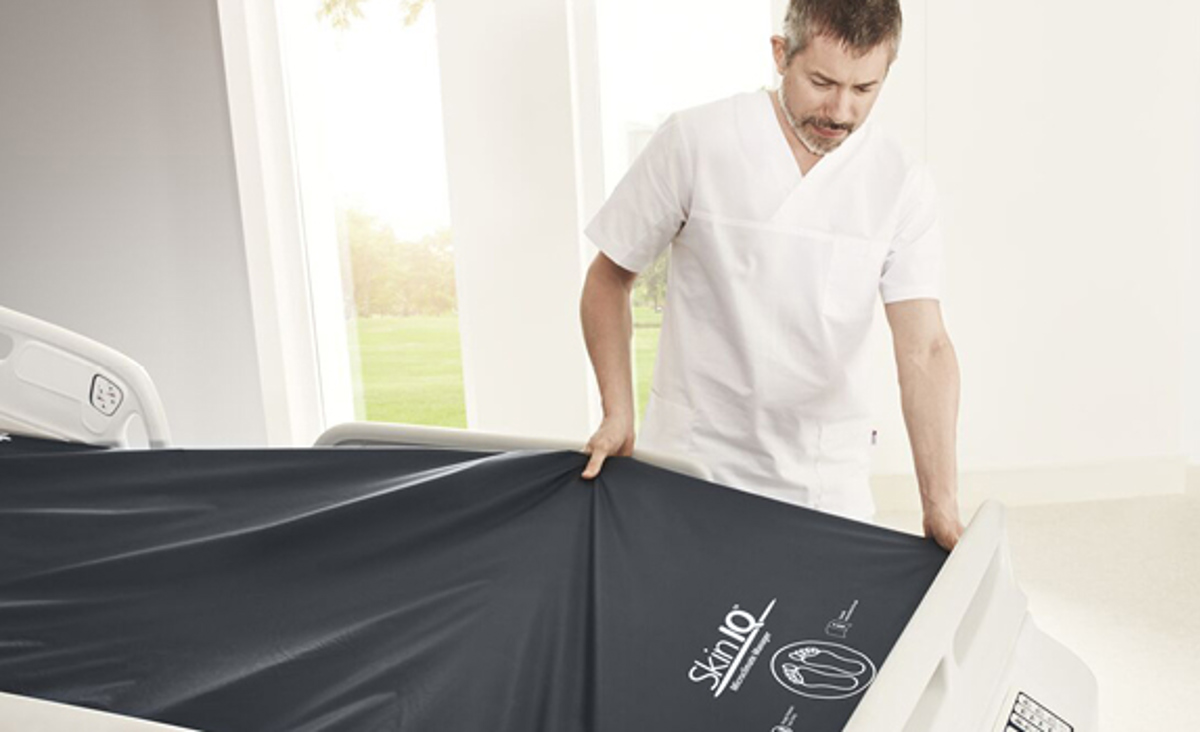
Microclimate management in Pressure Injury Prevention
Support surfaces are just one part of effective Pressure Injury Prevention. Managing microclimate – heat and moisture at the skin-surface interface – is another critical factor. Learn why it matters and how it can be addressed on our Microclimate Management page.

Understand the science behind your support surface
Download this in-depth clinical overview to explore the mechanisms behind pressure injury development and how support surface design, performance and testing can influence positive patient outcomes.
_Blog%20Image.jpg)
Make confident support surface choices
Make support surface selection straight forward and consistent. This easy-to-use guide helps you make informed decisions at the bedside, tailored to each patient’s individual needs. It offers a clear introduction to the key considerations involved in choosing the most appropriate support surface for every patient.

Learn from the experts
Join our expert-led, on-demand webinars that explore a wide range of Pressure Injury
Prevention topics – and how these considerations come together in practice.

Practical insights for Pressure Injury Prevention
Gain practical, evidence-based guidance with our Arjo blog, covering key topics such as risk assessment, support surface selection and microclimate management.

Your timely intervention is key
It takes just one risk factor for a pressure injury to develop. But with early intervention, it doesn’t have to.
Contenu associé pour notre catégorie Prévention des escarres
Tirer parti de l’efficacité de l’intervention dans la prévention et la prise en charge des escarres
par Sharon Maris, Directrice mondiale des affaires médicales pour la prévention des escarres Découvrez les nouvelles perspectives de notre experte clinique sur l’importance d’une intervention précoce et individualisée dans la prévention des escarres. Découvrez comment les dernières directives,...

Prévention des escarres en décubitus ventral
Le positionnement en décubitus ventral, qui consiste à retourner un patient pour qu’il soit allongé sur le ventre, est une intervention courante en cas de SDRA. Il a été démontré que cette position améliorait l’oxygénation et prévenait les lésions pulmonaires induites par le système d'assistance...

Comment les tissus de nos housses permettent-ils de prévenir les infections ?
Une housse de matelas doit permettre d’éviter toute contamination croisée, sans compromettre les performances de la surface thérapeutique.
_2%20Column%20Midsize%20Editorial.jpg)